

Emcure Pharmaceuticals
India · Life sciences
FineDocs ECM and FineFlow BPM for SOP lifecycle management, controlled document issuance and IT forms and approval processes.
Explore industry solutionsAcyutah customers and published projects span enterprise and public-sector environments. Explore the sectors and ask our team about relevant experience.
India · Life sciences
FineDocs ECM and FineFlow BPM for SOP lifecycle management, controlled document issuance and IT forms and approval processes.
Explore industry solutions
Ethiopia · Government
FineDocs eOffice for correspondence, digital files, records, forms and approval routing across ministry directorates.
Explore industry solutions
Oman · Manufacturing
FineDocs and FineFlow for departmental content, records and e-forms, with published integration work involving SAP, HRMS and LIMS.
Explore industry solutions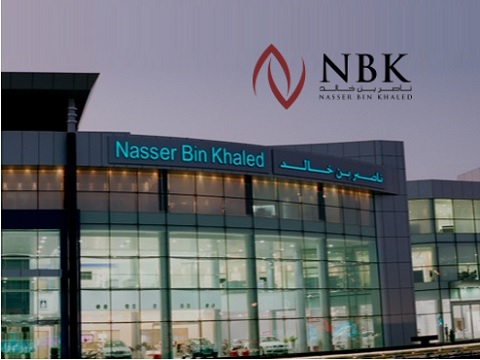
Qatar · Automotive
FineDocs for applications, contracts, credit and security documents, including Outlook email capture and attachment indexing.
Explore industry solutionsEvery implementation has its own context, scope and operating requirements. Talk to Acyutah about the similarities that matter for your organization: content volumes, document types, process complexity, integrations and deployment model.
These summaries draw on Acyutah’s published project histories. Contact our team to discuss relevant references and the scope of a new engagement.
Discuss relevant experienceAcyutah customers represent different industries and operating environments. The original company portfolio names Emcure Pharmaceuticals, the Ministry of Innovation & Technology in Ethiopia, Oman Methanol Company and Nasser Bin Khaled Al Thani & Sons. The projects connect document control with the business processes that depend on it.
A useful reference discussion focuses on similarities in document types, workflow complexity, integrations and deployment. A company in the same sector may still have a very different project scope. Tell Acyutah which aspects matter to your evaluation so the team can discuss relevant experience where disclosure is permitted.
The resource library brings together original FineDocs brochures, datasheets and archived case-study documents. These materials describe the published offering and historical context. Current modules and compatibility should be verified in a tailored demonstration and proposal, especially when an archived document refers to an older application version.
Explore the implementation guide and published product portfolio to prepare your next discussion.
Acyutah’s published account describes the use of FineDocs to manage SOP creation, review, publication, versions and obsolescence. FineFlow supported electronic forms for change control and user-access requests involving SAP and other ERP systems. The wider IT process framework covered asset management, server maintenance, discrepancy handling, backup and recovery, policies and project archives.
The project illustrates how controlled documents and the forms around them can be brought into a coordinated environment. For a comparable life-sciences project, discuss document issuance, reviewer responsibilities, validation evidence and the specific controls your organization requires.
The ministry project addressed physical records, complex approval routes and information spread across departments. The published scope included inward and outward correspondence, electronic records, Whitehall files, note sheets and drafts for approval. FineDocs eOffice brought document lifecycle management together with forms, routing, dashboards and knowledge publishing.
Approval levels and directorate responsibilities were part of the design. For a government project, start with the correspondence register, file structure and authority rules that govern a document’s journey.
The published deployment brought FineDocs ECM and FineFlow BPM into departments including engineering, finance, HR, procurement and operations. The scope included document imaging, electronic folders, records and e-forms. Examples of the processes described are user requests, change approvals, expense statements, procurement and maintenance work orders.
The original case also describes Outlook email capture and integrations with SAP, HRMS and LIMS. These are project references; compatibility with your current editions and interfaces should be established during discovery.
The Qatar project focused on information held across applications, contracts, credit and security functions. FineDocs provided a central document environment, with automated Outlook email capture, attachment classification and indexing described in the published case. The business objective was to make documents easier to retrieve and share across departments.
For an organization with similar contract volumes, a useful demonstration follows an email attachment through capture, classification, permission-controlled retrieval and the next business action.
Selected customer logos from the original FineDocs portfolio.






For a reference relevant to your project, contact Acyutah.
These four accounts of Acyutah customers describe different document and process problems. Read them as examples of scope: the documents involved, the departments participating and the work around the platform. They provide context for a discussion about your own requirements without establishing an identical configuration, current deployment status or a quantified outcome for every customer.
For a controlled-document project, the Emcure account helps frame questions about procedures and internal forms. For correspondence and file movement, the Ethiopia account provides a public-sector context. Oman Methanol illustrates information used across enterprise departments, while the Qatar account describes documents connected to commercial and credit-related processes.
Choose the published account closest to your first priority and list the similarities and differences. Your document references, approval authority, application versions and access rules may be different. Include those differences in the initial brief so the conversation addresses your operating environment instead of assuming that a historical solution can be copied unchanged.
Ask which FineDocs and FineFlow components are relevant, what configuration is proposed and which integrations require validation. Then define an acceptance scenario with your own masked sample records. The practical value of the Acyutah customers portfolio is to make that discussion more specific, not to replace evidence from your own evaluation.
If your procurement process needs further project background, tell the team which industry and requirement you are assessing. Any additional reference discussion depends on the information available and the permissions of the organizations involved. Published logos are reproduced as historical portfolio material and do not imply a new endorsement or authorization to contact an individual.
Explore the company background, leadership profile and requirements guide alongside these Acyutah customers accounts. Send a brief to the sales team when you are ready to discuss a project.
Bring your process. We’ll help you map the way forward.